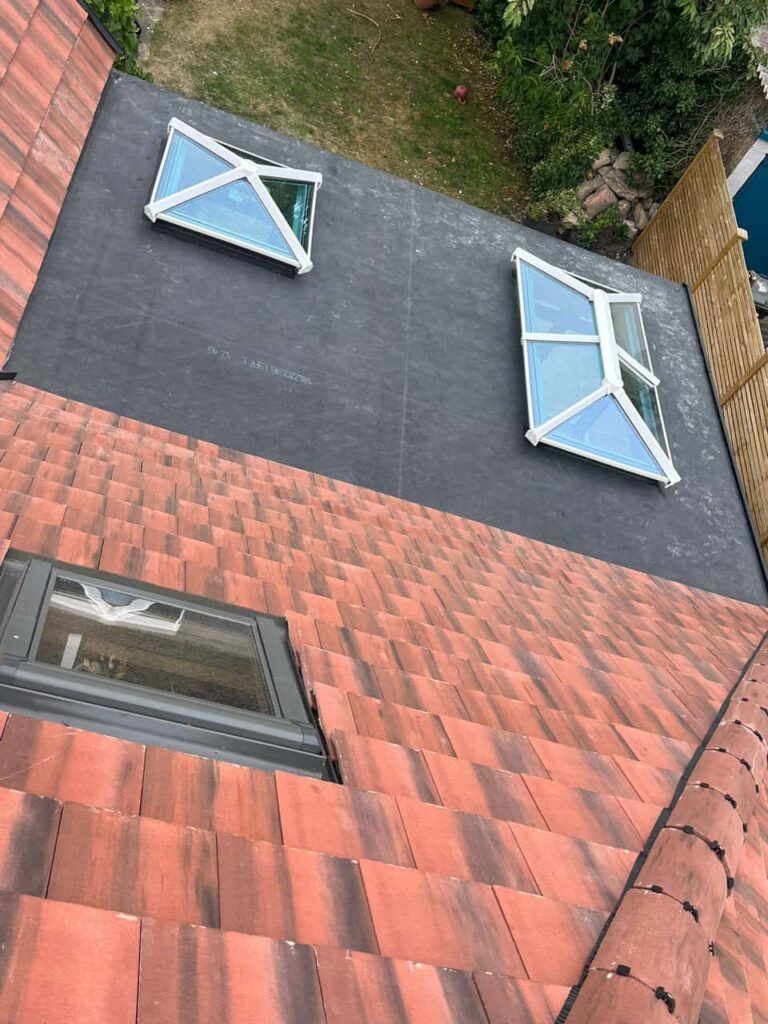
Storm damage can make a roof look far worse than it actually is. High winds can dislodge tiles, loosen ridge materials, disturb flashing and expose vulnerable sections of the roof to rain. Understandably, homeowners may worry that significant storm damage automatically means the entire roof needs replacing.
In many cases, however, storm-damaged roofs can be successfully repaired without full replacement. The deciding factor is not simply how dramatic the visible damage appears, but how much of the roofing system has been affected and whether the remaining materials are still in reliable condition.
For property owners in Stoneygate, Leicestershire, having storm damage professionally assessed is the most effective way to determine whether targeted roof repairs can restore dependable protection.
When Can a Storm-Damaged Roof Be Repaired?
A roof can often be repaired when storm damage is confined to specific areas and the wider roof remains structurally sound. Even where several components have been affected, carefully planned repairs may be capable of restoring the roof without disturbing sections that continue to perform properly.
The assessment should consider the roof covering, flashing, ridge and verge details, underlying materials and any areas where wind may have caused movement that is not immediately obvious.
Localised Damage Is Often Repairable
Storms frequently cause concentrated rather than widespread roof damage. One exposed section may experience significant wind pressure while other parts remain largely unaffected.
Typical localised problems can include:
- slipped or missing tiles
- cracked or broken roofing materials
- displaced ridge tiles
- loosened verge components
- damaged flashing
- exposed underlay
- localised damage around roof junctions
- movement around vulnerable roof edges
When the surrounding roof remains in good condition, these defects can often be addressed individually as part of a coordinated repair.
Missing Tiles Do Not Automatically Mean a New Roof Is Needed
Missing tiles are one of the most obvious signs of storm damage, but their appearance can sometimes make the problem seem more extensive than it is.
If wind has lifted a limited number of tiles while the remainder of the roof covering is secure and serviceable, replacing the affected materials and checking the surrounding area may restore the roof effectively.
The important point is to establish why the tiles became displaced and whether neighbouring tiles or their fixings have also been weakened.
Hidden Storm Damage Needs to Be Identified
Not every storm-related defect can be seen easily from ground level.
Strong winds can loosen roofing materials without removing them completely. Flashing can lift slightly, fixings can become weakened and small openings can develop around roof junctions. These defects may not initially appear serious but can allow water to penetrate during subsequent rainfall.
A professional roof inspection therefore looks beyond the most obvious visible damage. Finding these less noticeable weaknesses early allows them to be included in the repair rather than becoming a separate problem later.
The Roof’s Condition Before the Storm Is Important
A storm does not always create every defect found afterwards. In some cases, severe weather exposes weaknesses that were already developing.
Older tiles may have become brittle, mortar may have deteriorated or flashing may already have been approaching the point where attention was required. Strong winds and heavy rain can then accelerate these weaknesses.
This distinction matters when deciding whether repair is appropriate. A roof that was generally sound before the storm may respond very well to targeted repairs. If deterioration was already widespread, however, the assessment needs to consider the overall condition rather than treating every defect as isolated storm damage.
Water Ingress Does Not Necessarily Mean Widespread Failure
Finding water inside a property after a storm can understandably create concern about the whole roof.
However, a relatively small opening can allow a surprising amount of rainwater to enter during severe weather. A displaced tile, lifted flashing or damaged junction may create a direct route beneath the roof covering.
Water can also travel before becoming visible internally, meaning the damp area on a ceiling may not sit directly below the roof defect.
Correctly tracing the route of water ingress is therefore essential before deciding how extensive the repair needs to be.
Why Surrounding Roofing Materials Should Be Checked
Repairing only the most obvious damaged tile or fitting may overlook materials that were disturbed during the same storm.
When one component has been displaced, surrounding tiles, fixings and junctions should be examined for movement or deterioration. This helps ensure that the repair addresses the affected section as a whole.
A thorough approach can reduce the likelihood of another weakness becoming apparent during the next period of strong wind or heavy rain.
When Might More Extensive Roofing Work Be Necessary?
Although many storm-damaged roofs are repairable, there are circumstances where the damage is too widespread for isolated repairs to provide a dependable result.
This may be the case when large sections of the roof covering have been compromised, underlying components have sustained substantial damage or the existing roof was already significantly deteriorated before the storm.
The decision should be based on the actual condition of the roof rather than an assumption that storm damage automatically requires replacement.
At Stoneygate Roofing Repairs, we assess the affected areas alongside the condition of the wider roof. This allows the required work to be focused on restoring reliable performance rather than replacing sound roofing materials unnecessarily.
Why Prompt Assessment Matters After a Storm
Roof damage can become more difficult to manage when exposed areas remain open to further rainfall and changing weather conditions.
A displaced tile may initially represent a relatively contained defect, but continued water penetration can affect underlay, battens and other materials beneath the visible roof covering. Loose components may also move further during subsequent periods of wind.
Having the roof inspected promptly helps establish its condition and allows appropriate repairs to be planned before secondary deterioration develops.
Repairing the Roof as a Complete System
Successful storm repairs involve more than replacing whatever has visibly fallen or moved.
A roof relies on numerous components working together to direct rainwater away from the property. Tiles, flashing, ridges, valleys, verges and underlying materials all contribute to its performance.
Professional repair work should therefore restore the integrity of the affected section while ensuring it continues to work correctly with the surrounding roof.
Can a Repaired Roof Remain Reliable After Storm Damage?
Yes. Where the underlying roof remains in suitable condition and storm damage is properly identified and repaired, there is no reason why the roof cannot continue to provide dependable protection.
The quality of the assessment is particularly important. Repairs should address both visible damage and associated weaknesses rather than simply improving the appearance of the roof.
This is why a detailed inspection can be valuable after severe weather, even when the visible damage appears relatively straightforward.
Conclusion
Storm damage does not automatically mean that a roof needs full replacement. Many roofs experience localised damage that can be successfully repaired when the surrounding materials and underlying structure remain in sound condition.
The key is to determine the true extent of the damage, identify any less obvious weaknesses and understand the condition of the roof before deciding on the appropriate work.
For homeowners in Stoneygate, Leicestershire, Stoneygate Roofing Repairs can provide a careful assessment of storm-related roofing problems and carry out appropriate repairs where required. If your roof has been affected by recent severe weather, contact our team to arrange an inspection and determine the most suitable way to restore reliable protection.
Call us on: 0116 216 4793
Click here to find out more about Stoneygate Roofing Repairs
Click here to complete our contact form and see how we can help with your roofing needs.